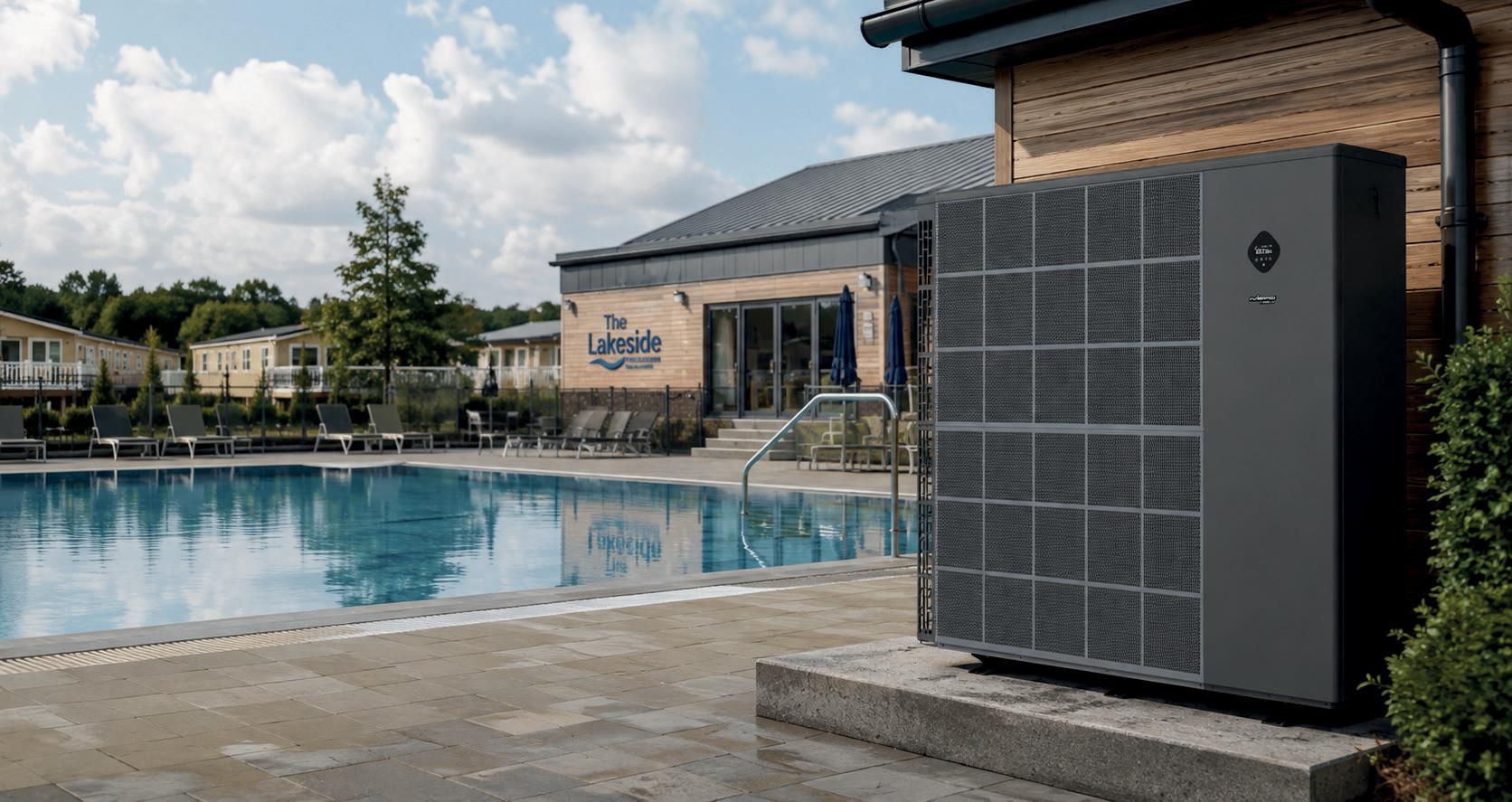
Heat pumps have become a standard component of energy-efficient pool and spa design, reports Christina Connor…
Once regarded as an environmentally driven alternative to conventional boilers, heat pumps have become a mainstream specification across the UK wet-leisure sector.
As energy costs, decarbonisation and refrigerant legislation reshape the market, the technology is opening-up opportunities for both new-build and retrofit projects. There was a time when proposing a heat pump to a pool owner could require a considerable amount of explanation. Today, the conversation is rather different.
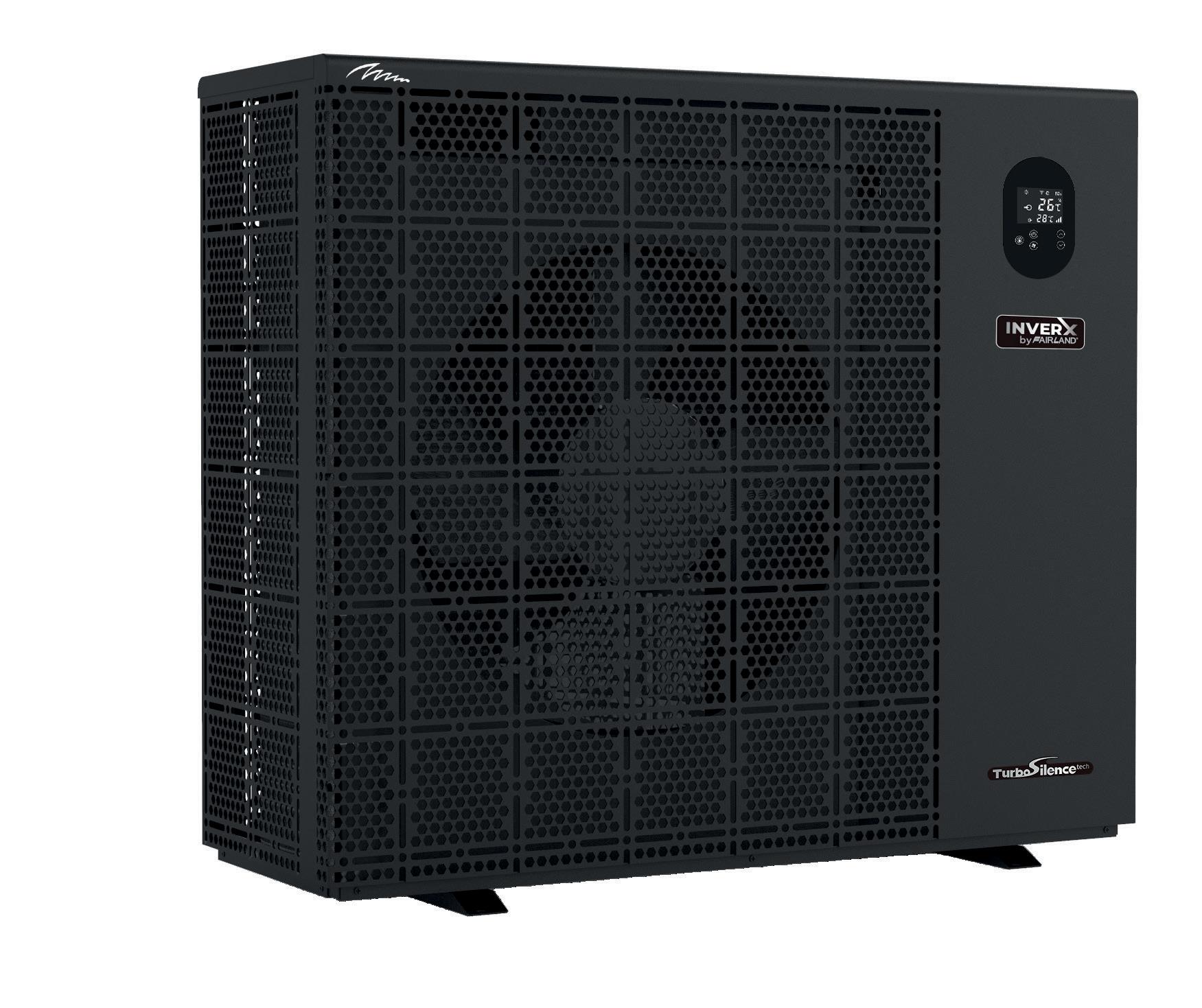
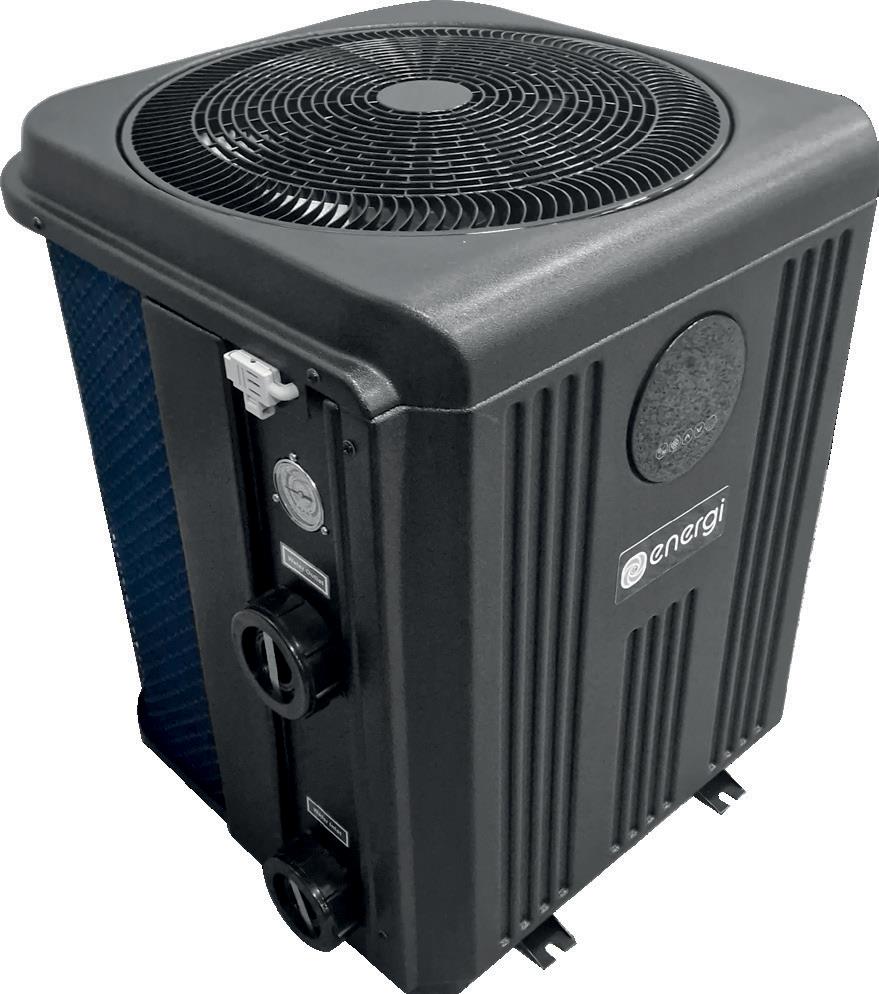 Air-source heat pumps have moved from being an emerging technology to a mainstream heating solution for swimming pools and hot tubs. For many customers, particularly those investing in a new installation or replacing ageing equipment, the question is no longer whether to consider a heat pump, but which system and how it should be integrated into the wider energy strategy. Typical payback periods are in the region of two to four years for hot tubs, three to six years for domestic pools and two to five years for commercial applications. Actual returns will depend on system design, operating conditions, energy prices and usage.
“If you told a pool contractor in the late 1990s that air-source heat pumps would replace traditional gas and oil boilers as the default pool heating specification, they would have laughed,” says Alan Thorne, Company Director, Ocea UK Ltd. “Back in 1997 when I joined the industry, heat pumps were considered a luxury experiment for environmental enthusiasts. The technology was basic, COP ratings were modest, and gas was cheap,” Alan continues.
“Today, the UK trade looks entirely different. Energy prices, environmental awareness, and rapid technological leaps have made heat pumps the undisputed first choice for pool heating,” he adds.
TECHNOLOGY MOVES ON
The technology available to contractors has also changed substantially.
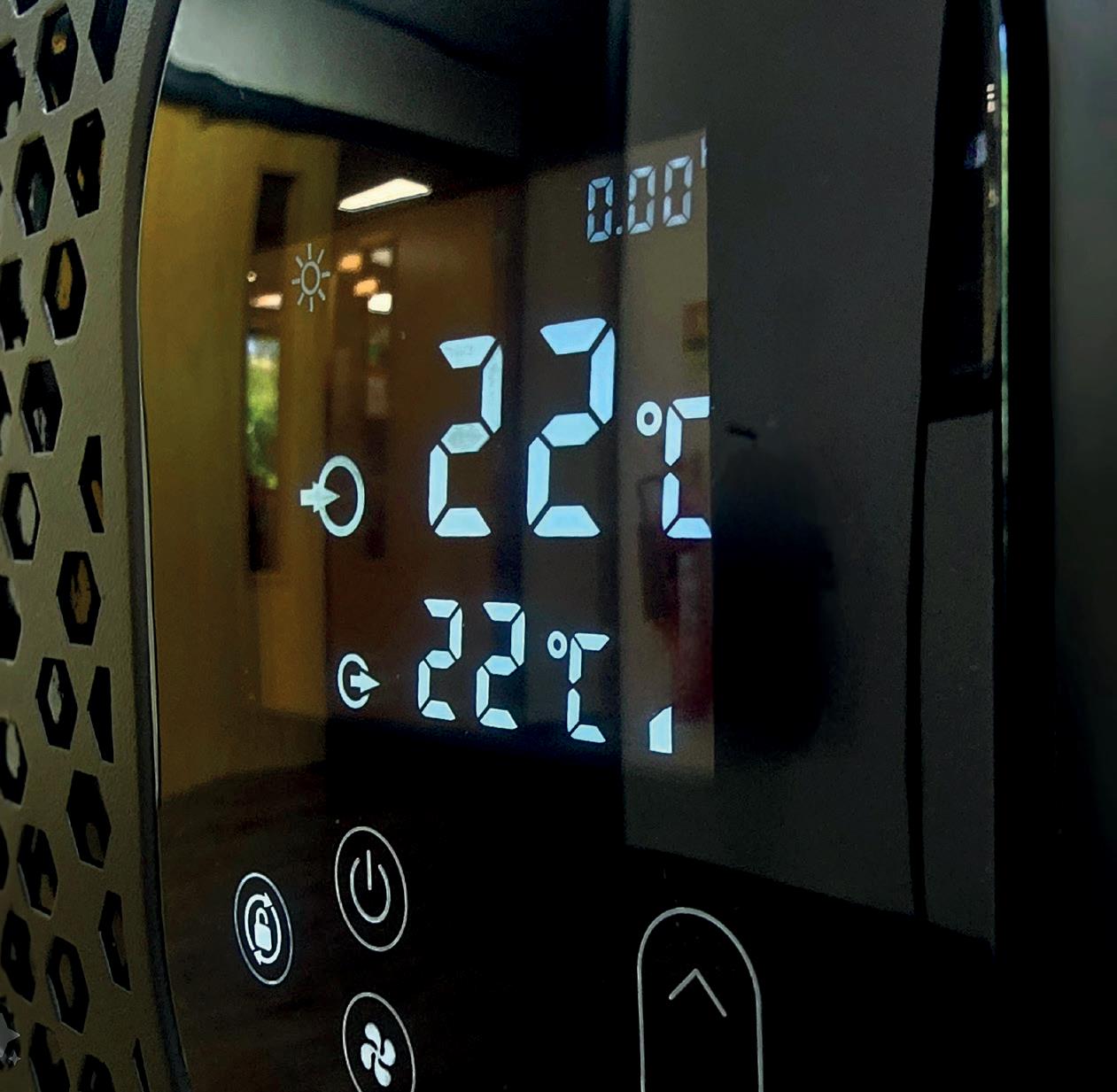
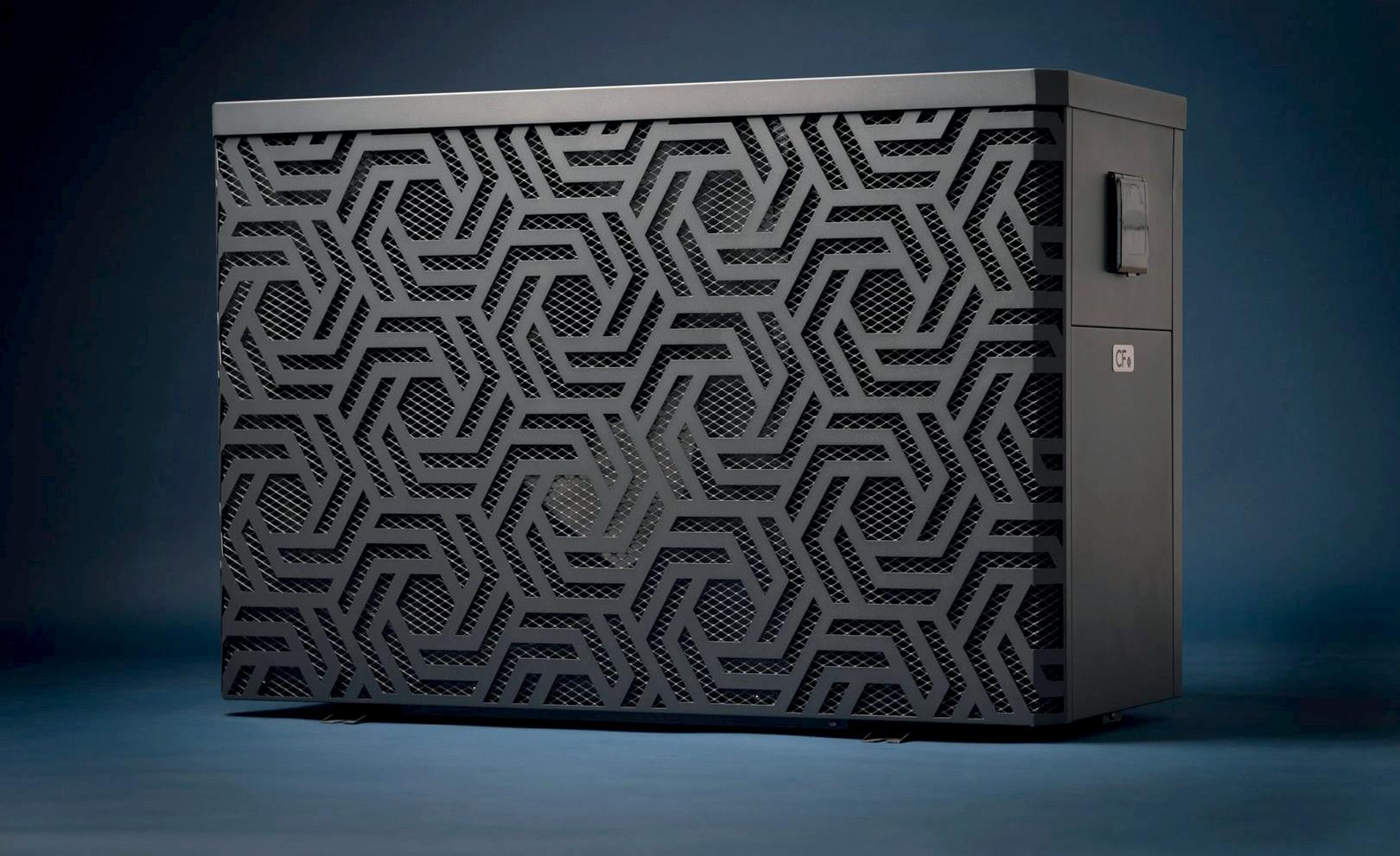 Modern inverter-driven heat pumps can modulate their output to match demand rather than operating simply at full capacity. This makes them particularly suitable for outdoor pools, where the heating load varies considerably with weather, pool use and the effectiveness of the cover. At the same time, the move towards lower-GWP refrigerants is changing product specifications and the conversation between manufacturers, installers and end users.
“At Ocea UK Ltd, our introduction of the R290 CF Comfort and Premium heat pump ranges reflects where the market has landed: extreme energy efficiency, whisper-quiet operation, and low-GWP natural refrigerants that work reliably in the UK climate,” Alan emphasises.
R290 — propane — is increasingly being adopted in heat-pump technology because of its very low global-warming potential. For the pool trade, the refrigerant transition adds another consideration when specifying replacement equipment and designing systems for the longer term.
KEY DEVELOPMENTS
For pool professionals, perhaps the most important development is that heat pumps are increasingly being specified as part of an overall energy-management strategy.
A heat pump installed alongside an effective pool cover, variable-speed circulation pump, intelligent controls, heat recovery and renewable generation can deliver a very different proposition from a standalone boiler replacement. Indeed, the strongest financial and environmental cases often come from treating the pool as an integrated system.
The UK market for pool and hot-tub heat pumps is estimated at around 18,000 units, with an installed value of approximately £60m. Projections suggest this could rise within three years to around 23,000 units, worth approximately £82m installed.
Residential pools account for an estimated 75–80% of units sold, although they represent around 70–75% of value because commercial installations typically involve significantly larger equipment and multiple units.
RETROFIT OPPORTUNITIES
The market opportunity extends well beyond new pool construction. There is no definitive official register of private swimming pools in the UK, but an industry estimate of approximately 250,000 domestic pools is widely quoted. That installed base creates a significant retrofit opportunity.
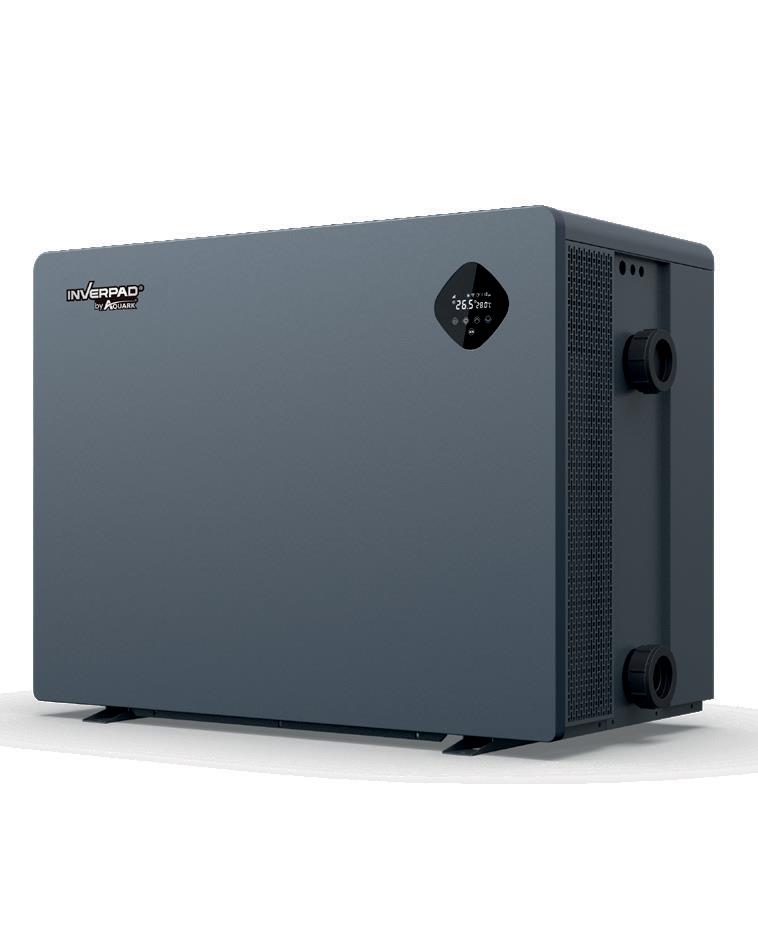 Even a 10% penetration of dedicated heat pumps would represent approximately 25,000 installations. At an indicative installed value of £6,000 per system, that equates to £150m of potential equipment and installation revenue.
At 20% penetration, the theoretical value rises to approximately £300m. These figures should be regarded as scenario calculations rather than forecasts, but they demonstrate the scale of the installed base available to contractors.
The drivers are equally straightforward: ageing heating equipment, rising energy costs, customer demand for improved efficiency and the desire to extend the swimming season.
For a typical domestic outdoor pool, a correctly sized air-source heat pump may cost around £4,000–£10,000 installed and can significantly reduce heating costs compared with direct electric or conventional fossil-fuel heating.
UNDER PRESSURE
The commercial market is smaller in unit terms but potentially considerably more valuable per project. The UK has more than 4,000 pools across formal leisure- sector sites. The public sector alone accounts for approximately 1,613 centres operating 2,659 pools, with a further 1,283 centres in the private sector. For these facilities, the energy equation is particularly important. Unlike many domestic pools, commercial pools can operate for long hours and throughout much of the year.
Consequently, even relatively small improvements in energy efficiency can translate into substantial annual savings. Heat pumps can typically provide around three to six units of heat for every unit of electricity consumed, depending on conditions and equipment. Their performance, however, should always be assessed against the actual design conditions rather than relying solely on headline COP figures. Government support is also playing a role. In 2024, a further £60.5m was allocated to 325 swimming pools and leisure centres for energy-efficiency improvements, following an earlier £20m fund. For local authorities and leisure operators facing high energy bills, the ability to combine funding with reduced operational expenditure is helping make larger-scale energy projects viable.
THE POOL POTENTIAL
Oxford City Council has replaced gas heating with heat-pump technology across its leisure facilities.
At Hinksey Outdoor Pool, a water-source heat pump can provide up to 79% of heating demand. Across the wider leisure-centre programme, gas consumption fell by 40%, while electricity consumption increased by 12% following the installation of heat-pump technology.
North Somerset is also replacing six gas boilers at Hutton Moor Leisure Centre with air-source heat pumps. The project covers two swimming pools and is forecast to save approximately 340 tonnes of CO2 annually. The significance of these projects extends beyond the individual sites. They demonstrate how pool operators are beginning to assess heating as part of a broader building-energy strategy.
WASTE HEAT
The commercial opportunity is not limited to replacing boilers. Heat pumps can also act as the link between a pool and a source of otherwise wasted heat.
At Exmouth Leisure Centre, recovered heat from a data centre is being used to contribute to the facility’s heating requirements. The project is expected to reduce gas consumption by 62% and save more than £30,000 annually.
Other potential configurations include:
1. Pool hall → heat recovery → heat pump → pool
2. Data centre → heat pump → pool
3. Solar PV → heat pump → pool
4.Wastewater → heat pump → pool
This is where the role of the pool contractor is changing. Increasingly, the opportunity is not simply to supply a heating appliance, but to design or coordinate an integrated energy solution.
A GROWING NICHE
Hot tubs provide another potentially significant market for heat-pump retrofits. Historical estimates have put the UK installed base at around 200,000 units, while more recent commercial research values the UK hot-tub market at approximately US$223m in 2024, with growth projected over the following decade.
 A conventional hot tub generally uses an electric-resistance heater: 1kWh electricity → 1kWh heat A heat pump can potentially achieve: 1kWh electricity → 3–5kWh heat The comparison is not quite as straightforward as it first appears.
Hot tubs typically operate at around 37–40°C — significantly hotter than swimming pools — and heat-pump efficiency can fall as ambient temperatures decrease. Nevertheless, for frequently used tubs, the potential saving remains attractive.
UK guidance suggests that a correctly installed hot-tub heat pump can potentially reduce energy consumption by 40–60%, with indicative payback of around two to four years for regular users.
The retrofit opportunity is therefore particularly relevant to holiday lets, hotels, spas and high-use domestic installations. If just 10% of a hypothetical 200,000- unit installed base adopted external heat pumps, the addressable market would be 20,000 systems.
At an indicative installed price of £2,000, that would represent £40m of potential retrofit revenue. At 25% penetration, the theoretical figure would reach £100m. Again, these are market scenarios rather than forecasts.
BUILDING THE CASE
Commercial operators increasingly need to consider the complete energy picture. Take a leisure centre spending £150,000 a year on pool heating. A project that reduces heating energy costs by 30% would deliver an annual saving of approximately £45,000.
If the capital investment were £300,000, the simple payback would be around six to seven years. A 50% reduction would increase the annual saving to approximately £75,000 and reduce the simple payback to around four years. The figures demonstrate why system integration matters. Pool covers, heat recovery, ventilation improvements, controls and renewable generation can all influence the final energy requirement.
For an indoor facility, heat generated by pool-hall evaporation can potentially be recovered and returned to the pool system. Elsewhere, heat from data centres, wastewater or other sources can be captured and upgraded using heat-pump technology.
 FUNDING EQUATION
Public funding is becoming an important part of the commercial proposition. A project that produces a relatively modest return when funded entirely from private capital can become considerably more attractive where funding programmes contribute towards the capital cost.
The South Kesteven/Grantham Meres project illustrates the point. The £4m low-carbon leisure project incorporates air-source heat-pump technology and is expected to reduce energy bills by approximately £170,000 a year while cutting emissions by more than 550 tonnes annually. Dividing the total £4m project cost by the headline annual saving produces a simple payback of approximately 23.5 years.
That figure should not, however, be interpreted as the payback period for the heat-pump system. The £4m investment covers a much broader programme of building, air-handling and decarbonisation works. It is a useful reminder that whole-project economics need to be separated from the return on an individual item of equipment.
WHAT COMES NEXT?
“Heat pumps are clever business,” points out Golden Coast’s Luke Honnorarty.. “They’re a high value item with good profit margins that can be installed in less than half a day. It’s really a no- brainer. Many clients are drawn to heat pumps because they offer an environmentally friendly alternative to gas boilers and electric heaters,” says Luke.
“But the benefits of these units extend far beyond their eco credentials. In fact, they could save customers thousands of pounds every year. And on top of that, they represent an excellent business opportunity,” he continues.
The direction of travel for the UK pool and spa sector is increasingly clear: heat pumps are becoming a standard component of energy-efficient pool design rather than a specialist alternative.
 For contractors, the commercial opportunity is likely to develop in two directions. The first obvious option is straightforward replacement and retrofit — helping domestic and commercial pool owners move away from ageing gas, oil and direct-electric systems.
The second is more technically involved: designing integrated energy systems in which the heat pump works alongside covers, heat recovery, variable-speed equipment, intelligent controls and renewable energy. “We are seeing customers find their heat-pump feet in the pool and hot tub sector, opening the door to a world of business opportunities across both residential and commercial swimming pools,” reports Steve Martin, Managing Director at Paramount Pools Products. “Heat pumps — especially when offered as part of a complete package with covers and heat-recovery systems — can make a compelling case for themselves once owners and operators understand the potential energy savings and return on investment,” Steve continues.
“The move to R290, a natural refrigerant with an exceptionally low global-warming potential, adds further benefits through excellent energy efficiency, strong performance and a more sustainable, future-ready solution,” he adds. “With lower running costs, reduced environmental impact and technology that supports the transition away from high-GWP refrigerants, the future for heat pumps in the wet-leisure sector looks exceptionally bright.”
For the wet-leisure trade, then, the heat pump is no longer simply a heating product. It is increasingly becoming a key component in the design, refurbishment and future energy strategy of the pool and spa project itself.
COMPANY CONTACTS
Aqua Warehouse Group
Tel. 01245 477400
sales@aquawarehouse.co.uk
Automated Environmental Systems
Tel. 01284 658770
automatedenvironmentalsystems.co.uk
Golden Coast
Tel. 01271 378100
www.goldenc.com
Ocea UK
Tel. 01993 707910
sales@oceacovers.com
www.oceauk.com
Paramount Pool Products
Tel. 01256 748380
sales@paramountpools.co.uk
www.paramountpools.co.uk