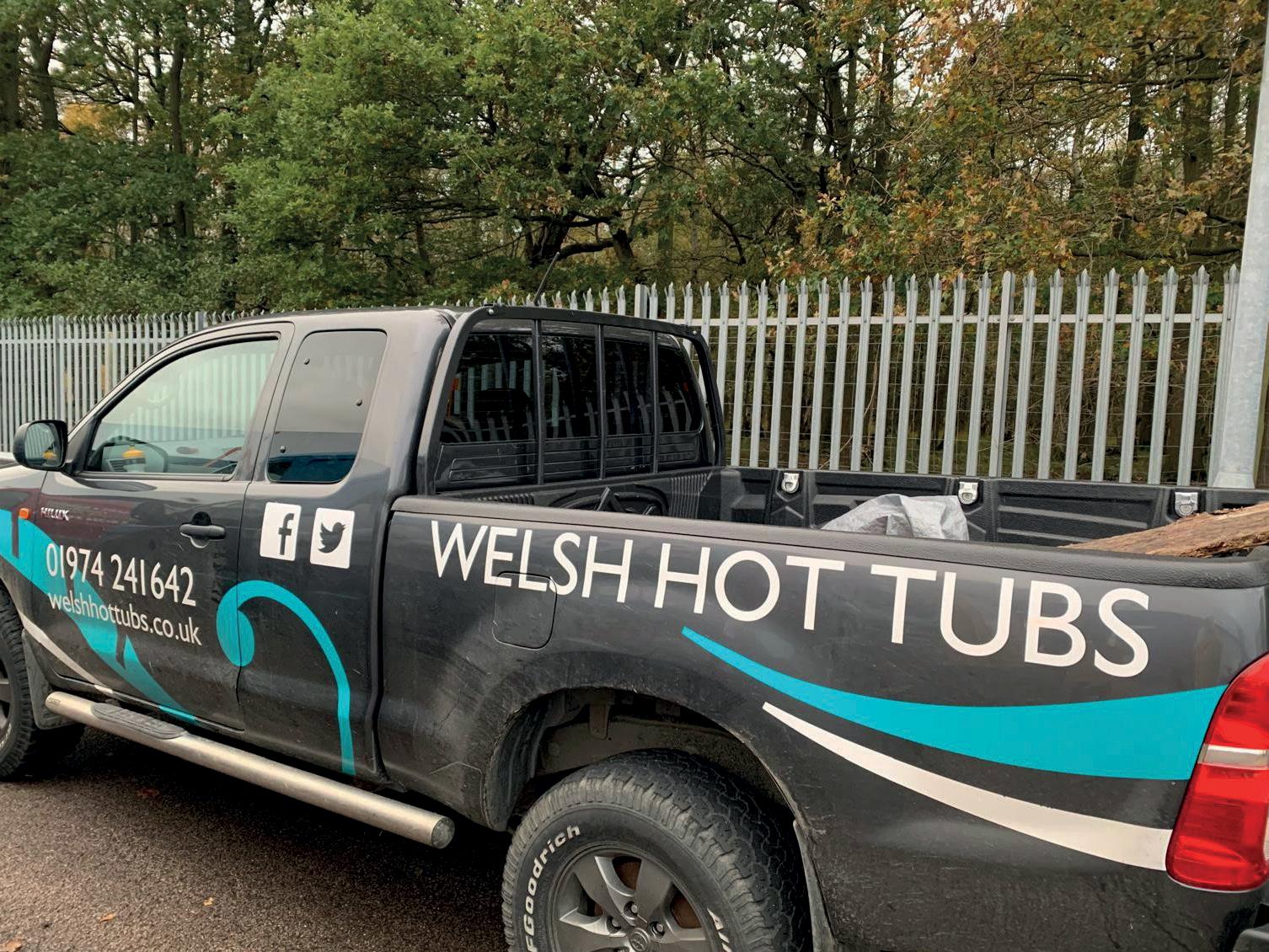
 In an age dominated by digital advertising, social media campaigns and AI-driven marketing automation, one of the most effective promotional tools for small and medium-sized enterprises is still sitting on the driveway: the company vehicle.
Liveried vehicles — vans, pickups and fleet cars branded with company graphics — are often underestimated in marketing discussions. Yet for many SMEs, particularly in the trades and local service sectors, they comfortably rank among the top ten marketing investments available. In fact, for plumbers, electricians, builders, landscapers and cleaning companies, they may well sit in the top three. The reason is simple. A branded vehicle acts as a moving billboard, delivering continuous local visibility without recurring advertising costs.
Every school run, fuel stop, housing estate visit and motorway journey becomes a branding opportunity. Unlike digital adverts that disappear when the budget stops, a liveried vehicle works 24 hours a day. For businesses considering vehicle graphics for the first time, cost is usually the first question.
In 2026, the average cost of professionally wrapping a UK trade vehicle varies depending on size and design complexity. A small van such as a Ford Transit Courier or Volkswagen Caddy typically costs between £1,300 and £2,000 for a full wrap. Medium-sized vans like the popular Ford Transit Custom generally fall between £2,000 and £3,000, while large panel vans can exceed £4,000 for premium full-coverage designs. However, many SMEs are discovering that partial wraps often offer the best balance between impact and affordability.
 A partial wrap — incorporating bold logos, contact details, strong colours and rear-door branding — can cost significantly less while still delivering around 70–80 per cent of the visual effect of a full wrap. Prices for partial graphics and decals usually range from £300 to £1,500 depending on vehicle size.
For smaller businesses managing tight marketing budgets, this makes liveried vehicles one of the most accessible forms of long-term advertising available. Durability is another major advantage. A professionally installed commercial wrap will generally last between five and seven years on side panels, with roofs and bonnets typically lasting three to five years due to increased exposure to sunlight and weather conditions. Many installers report even longer lifespans when vehicles are properly maintained, garaged overnight and hand-washed rather than machine cleaned.
This longevity is one reason liveried vehicles deliver such strong return on investment. A £2,400 wrap lasting six years works out at roughly £400 per year — around £33 per month or approximately £1 per day for constant brand exposure.
 Very few marketing channels can compete with that level of cost efficiency. The most effective liveried vehicles are rarely the most elaborate. One of the biggest mistakes SMEs make is overdesigning their vans.
Complex graphics, excessive text and cluttered layouts often fail because most people only glance at a vehicle for a matter of seconds in traffic.
The strongest commercial wraps tend to follow a much simpler formula:
• a clean base colour
• a large, easy-to-read logo
• a highly visible phone number
• a website address
• a concise service description
• a strong rear-door call-to-action
 Bold contrast and oversized typography outperform artistic complexity almost every time. A van parked outside a customer’s property also acts as a trust signal to neighbours. Repeated exposure to the same branding builds familiarity, and familiarity builds credibility.
Perhaps the biggest reason liveried vehicles remain so effective is that they bridge the gap between offline and digital marketing.
A potential customer may first notice a branded van in their neighbourhood, then later search the company online, read reviews and visit the website. By the time they make contact, the business already feels familiar and established. For SMEs competing in crowded local markets, that recognition can make all the difference.
In a world increasingly saturated with digital noise, liveried vehicles continue to offer something remarkably valuable: visible, constant and highly local brand awareness that keeps working long after the installation is complete.