The 2020s are witnessing a ‘lido revolution’—an extraordinary resurgence of some of our most precious liquid assets. It is five years since the creation of Future Lidos, a peer network spanning the UK and Ireland, working collaboratively to bring the joy of outdoor swimming to more people, in more communities.
In February 2021, frustrated by the enforced inertia of Covid lockdowns, six passionate lido campaigners first met via Zoom. From that meeting has grown a vibrant network, driven by the innovation, expertise and powerful community spirit that characterise the entire lido sector.

Future Lidos connects, represents and advocates for lidos across the UK and Ireland. With support from the National Lottery Heritage Fund, its members have developed a comprehensive Lido Toolkit—a vital resource for more than 30 projects working to revive or create lidos, and over 130 operators looking to secure the future of their pools. The five years since Future Lidos’ birth have seen the 21st-century lido renaissance gather remarkable momentum:
• What began as six campaigns has grown into 47 active projects.
• Sea Lanes—one of the original six, and the first new public lido since the 1990s—opened in 2023, with the team now developing a new site at Canary Wharf.
• Historic lidos such as Saltdean and Hull’s Albert Avenue have been brought back to life at the heart of their communities, while many others have progressed through community engagement, feasibility studies and design development.
• Despite the pandemic, the energy cost crisis and rising inflation, lidos have kept their heads above water and continued to look ahead—thanks to skilled operators, committed councils and, most crucially, strong public support.
• Significant investment in future-facing upgrades has been made at sites including Northolt, Tinside, Hilsea and Tooting.
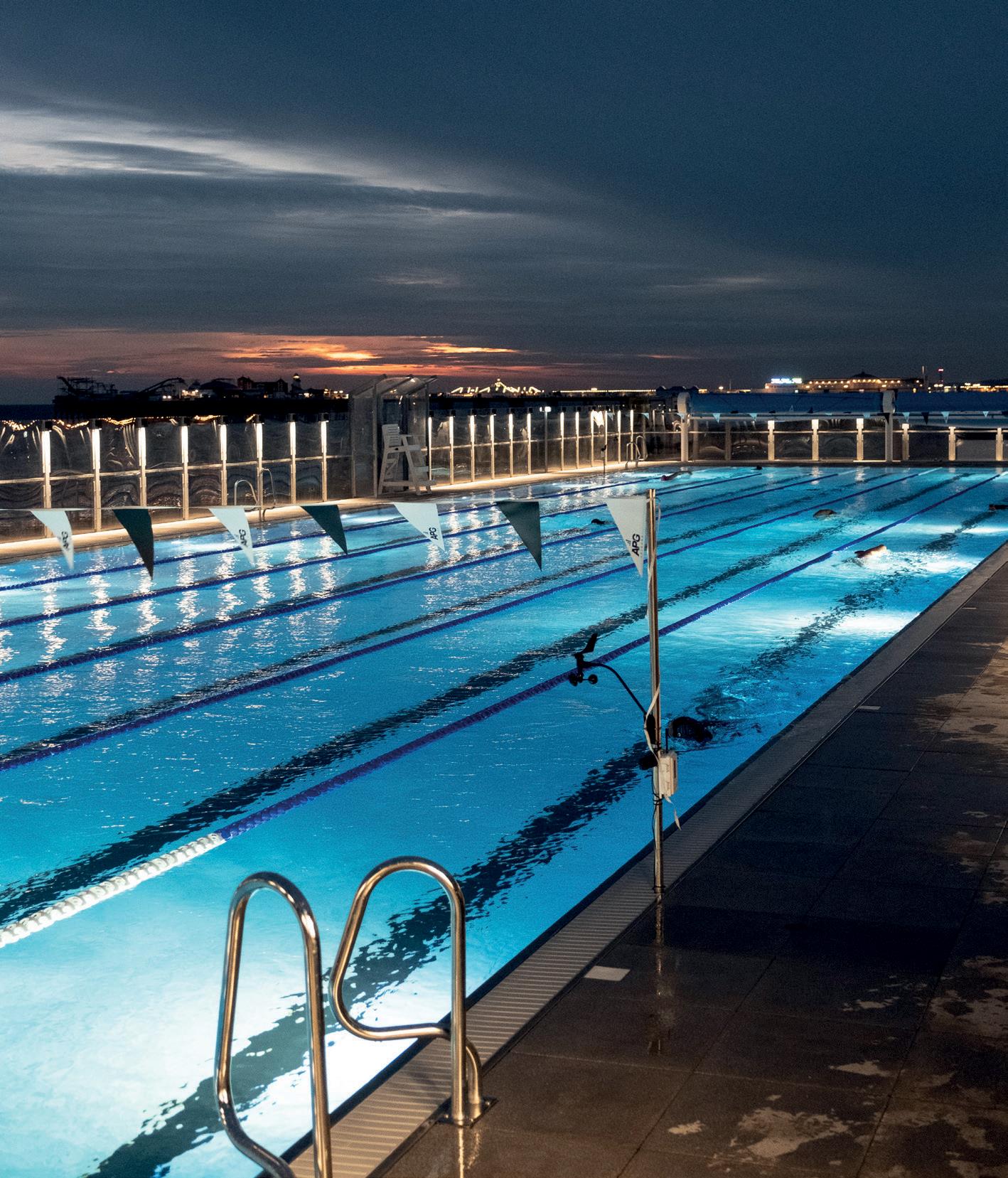 Seventeen lidos have made major strides in environmental sustainability, supported by the Swimming Pool Support Fund, the Community Ownership Fund and their own hard-won reserves. Increasingly, lidos are moving towards year-round opening in response to growing demand.
Recognition for the restoration of Saltdean Lido in Brighton continues, with R H Partnership Architects named Heritage Project winner at the AJ Architecture Awards 2025. As the judges noted: “It really demonstrates the power of heritage to regenerate—and to be valued by—the community.” Historically, the great lido building boom peaked in the 1920s and 1930s.
At a time of deep economic recession, investment in public facilities and public health was seen as essential to the nation’s future. Open-air bathing pools quickly became badges of honour for self-respecting municipalities, as well as key tourist attractions contributing to the prosperity of seaside towns. The lidos that survive from this era hold significant architectural value in their tiles, brickwork and whitewashed concrete. Ranging from elegant functional simplicity to flamboyant expressions of Modernism and Art Deco, each tells a story of innovation, ambition and local identity.
More than this, lidos are reservoirs of social history. While they evolved from pioneering 19th-century pools in cities such as Liverpool, Southampton and Derby, they differed in two important ways.
First, they were deliberately classless. Emerging at a time when workers were gaining leisure time, these open-air pleasure palaces welcomed everyone – from mill workers and their families to the wealthy and fashionable. Many were built through job creation schemes during the Depression, and later became central to the holiday camp experience, celebrating working-class joy for decades. Secondly, they coincided with the rise of mixed bathing, offering equal leisure opportunities for women and men. Their popularity with children and holidaymakers cemented their place as a much-loved family pastime.
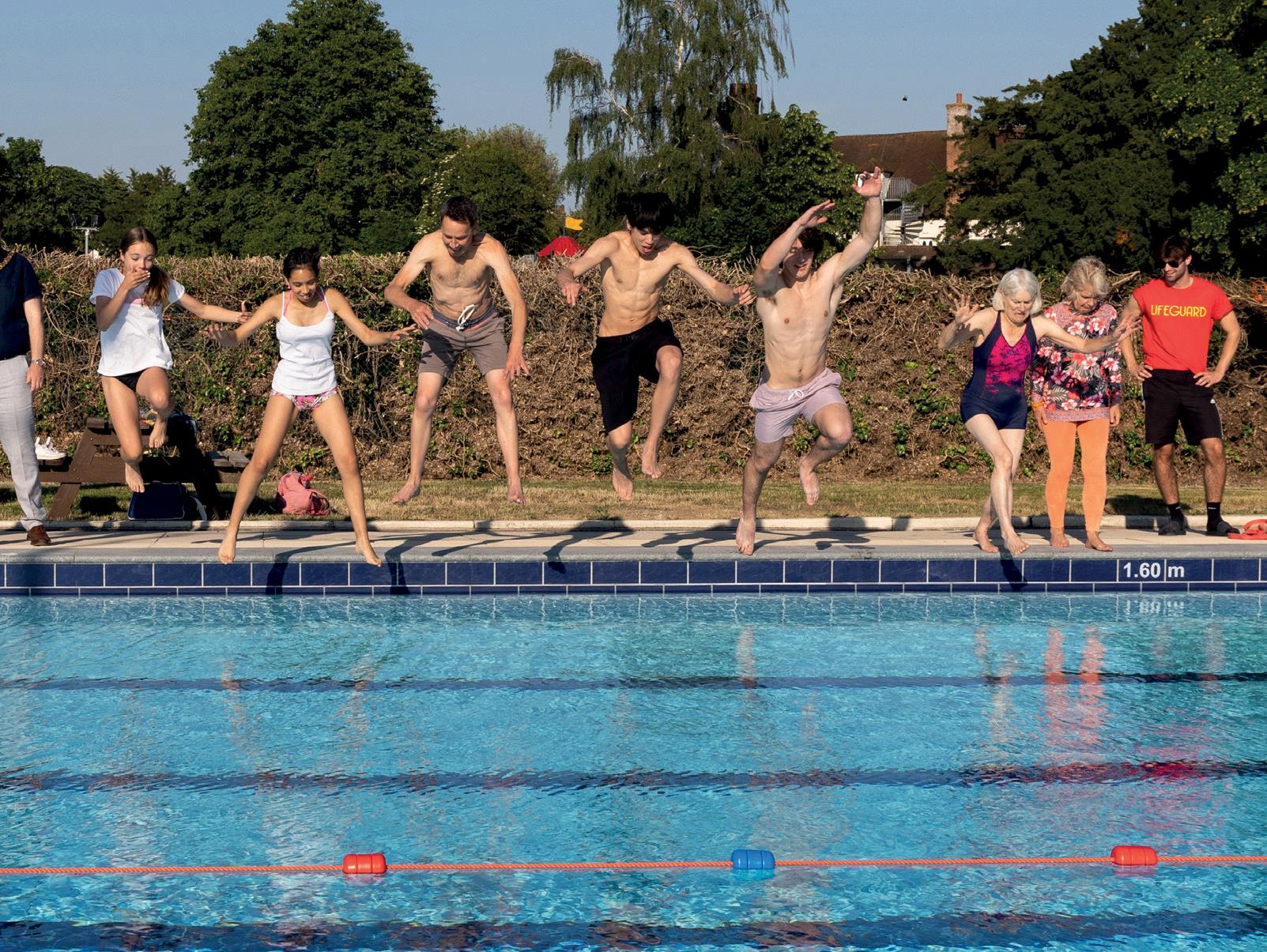 By the 1930s, open-air pools had become powerful symbols of municipal modernity and optimism—much like public libraries had been a generation earlier. At their peak, the UK boasted more than 300 public outdoor pools, including 11 on Merseyside and 68 in London. Today, in a community-driven movement linked to the exponential rise of outdoor swimming, the revival of lidos has gathered real pace.
Community groups are leading the restoration of pools in towns across the UK, while councils—from Hackney to Hathersage—are responding to growing public demand with renewed investment.
Lidos are far more than swimming pools. No two are the same. Steeped in heritage, they offer a sense of accessible luxury—places of joy and freedom, cherished by the communities they serve.
With the right investment, lidos can continue to nourish our health, happiness, economies and communities long into the future.